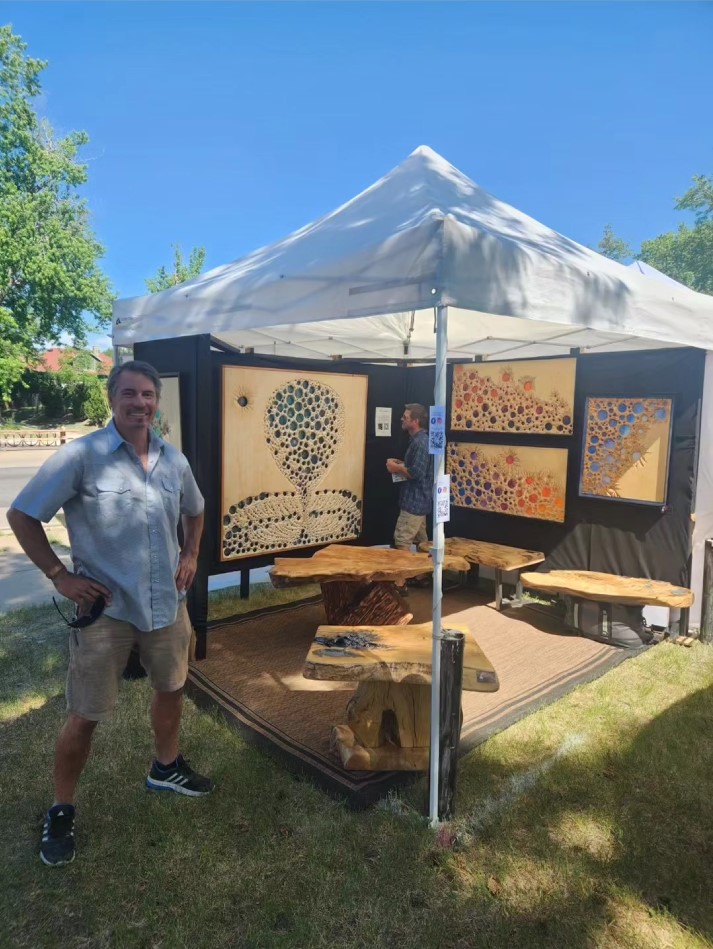
The creative process of an artist is a fascinating journey that transforms abstract ideas into tangible expressions of beauty and meaning. This journey is as unique as the artist themselves, encompassing a variety of stages that blend inspiration, exploration, and execution. Here’s an insight into the creative process that artists typically go through.
Inspiration: The Spark of Creativity
Every artistic endeavor begins with inspiration. This initial spark can come from a myriad of sources: nature, personal experiences, emotions, literature, or even a fleeting moment of introspection. For many artists, inspiration strikes unexpectedly, often triggered by something seemingly mundane. This is the stage where an artist’s mind starts to wander, filled with possibilities and the excitement of new ideas.
Exploration: Diving Deeper
Once inspiration strikes, artists delve deeper into their ideas, exploring different angles and perspectives. This stage involves a lot of brainstorming and sketching, as artists experiment with various concepts and mediums. They might create rough drafts, mood boards, or prototypes to visualize their thoughts. This is a period of trial and error, where artists play with different forms and techniques to see what works best for their vision.
Incubation: Letting Ideas Marinate
After the initial exploration, there often comes a phase of incubation. This stage is less about active creation and more about letting ideas simmer. Artists might take a step back from their work to gain fresh perspectives or to let their subconscious mind work through any creative blocks. This period of rest and reflection is crucial, as it allows for the refinement of ideas and can lead to unexpected breakthroughs.
Creation: Bringing Ideas to Life
The most visible part of the process is the act of creation itself. With a clear vision and refined ideas, artists begin to bring their concepts to life. This stage involves focused work, where the artist applies their skills and techniques to create the final piece. It can be an intense and immersive experience, often requiring long hours and deep concentration. The artist’s unique style and voice shine through in this stage, making each piece distinctive.
Evaluation: Reflecting and Refining
Once the artwork is complete, artists enter the evaluation phase. They critically assess their work, considering what aspects succeeded and what could be improved. This reflective practice is essential for growth and development as it helps artists refine their skills and techniques. Feedback from peers or mentors can also be invaluable during this stage, providing different perspectives and insights.
Presentation: Sharing the Vision
The final stage of the creative process is presentation. Artists share their finished work with the world, whether through galleries, exhibitions, social media, or other platforms. This stage is about connecting with the audience, evoking emotions, and sparking conversations. The presentation is not just about showcasing the final piece but also about sharing the journey and the story behind the creation.
Conclusion
The creative process of an artist is a dynamic and multifaceted journey, encompassing inspiration, exploration, incubation, creation, evaluation, and presentation. Each stage is integral to transforming abstract ideas into powerful artistic expressions. Understanding this process provides a deeper appreciation for the art and the artist’s dedication to their craft. Through their unique journeys, artists enrich our world with creativity, beauty, and profound insights.